Use a load-balancer as a first row of defense against DDoS
Source: haproxy.com
We’ve seen recently more and more DOS and DDoS attacks. Some of them were very big, requiring thousands of computers…
But in most cases, this kind of attacks are made by a few computers aiming to make a service or website unavailable, either by sending it too many requests or by taking all its available resources, preventing regular users to use the service.
Some attacks targets known vulnerabilities of widely used applications.
In the present article, we’ll explain how to take advantage of an application delivery controller to protect your website and application against DoS, DDoS and vulnerability scans.
Why using a LB for such protection since a firewall and a Web Application Firewall (aka WAF) could already do the job?
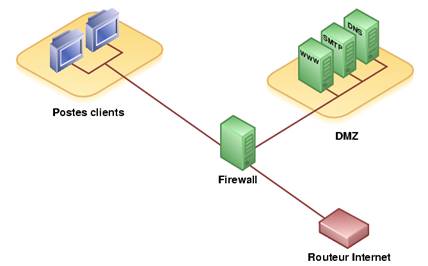
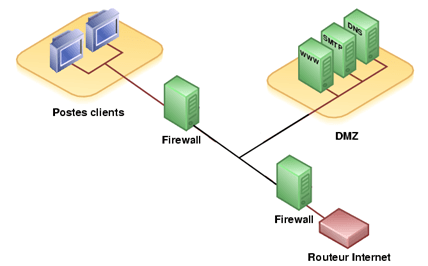
Well, the Firewall is not aware of the application layer but would be useful to pretect against SYN flood attacks. That’s why we saw recently application layer firewalls: Web Application Firewalls, also known as WAF.
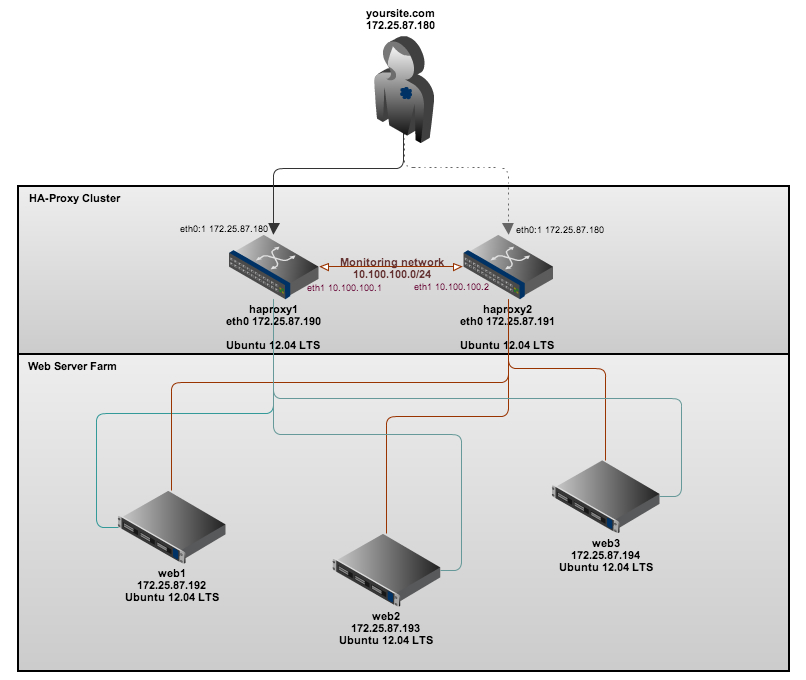
Well, since the load balancer is in front of the platform, it can be a good partner for the WAF, filtering out 99% of the attacks, which are managed by script kiddies. The WAF can then happily clean up the remaining attacks.
Well, maybe you don’t need a WAF and you want to take advantage of your Aloha and save some money ;).
Note that you need an application layer load-balancer, like Aloha or OpenSource HAProxy to be efficient.
TCP syn flood attacks
The syn flood attacks consist in sending as many TCP syn packets as possible to a single server trying to saturate it or at least, saturating its uplink bandwith.
If you’re using the Aloha load-balancer, you’re already protected against this kind of attacks: the Aloha includes mechanism to protect you.
The TCP syn flood attack mitigation capacity may vary depending on your Aloha box.
It you’re running your own LB based on HAProxy or HAPEE, you should have a look at the sysctl below (edit /etc/sysctl.conf or play with sysctl command):
# Protection SYN flood
 net.ipv4.tcp_syncookies = 1
 net.ipv4.conf.all.rp_filter = 1
 net.ipv4.tcp_max_syn_backlog = 1024
Note: If the attack is very big and saturates your internet bandwith, the only solution is to ask your internet access provider to null route the attackers IPs on its core network.